
Inventory accounting provides valuable insights into stock levels, turnover rates, and the overall health of your inventory. By monitoring data, businesses can identify slow-moving items, avoid overstocking or stockouts, optimize reorder points, and make informed decisions about inventory actions. There are three major types of inventory valuation methods that are frequently used when it comes to inventory bookkeeping. This helps to calculate the worth of your inventory after every change accurately. Many ecommerce platforms offer features to help you keep track of important information you need for bookkeeping, like inventory and sales taxes.
Balance Sheet
- Inventory bookkeeping accurately evaluates a company’s inventory, a crucial component of its financial statements.
- Spot checks serve as an additional measure, providing random sampling of inventory to quickly address any discrepancies.
- Inventory accounting helps you figure out how much inventory you have, what it cost you, and what it’s worth to your business.
- This level of detail in inventory management helps in quickly identifying and recalling any compromised products, thereby safeguarding public health and the institution’s reputation.
- It can include many factors, including the movement of stock, daily variations in quantity, aging inventory carrying costs and even deadstock.
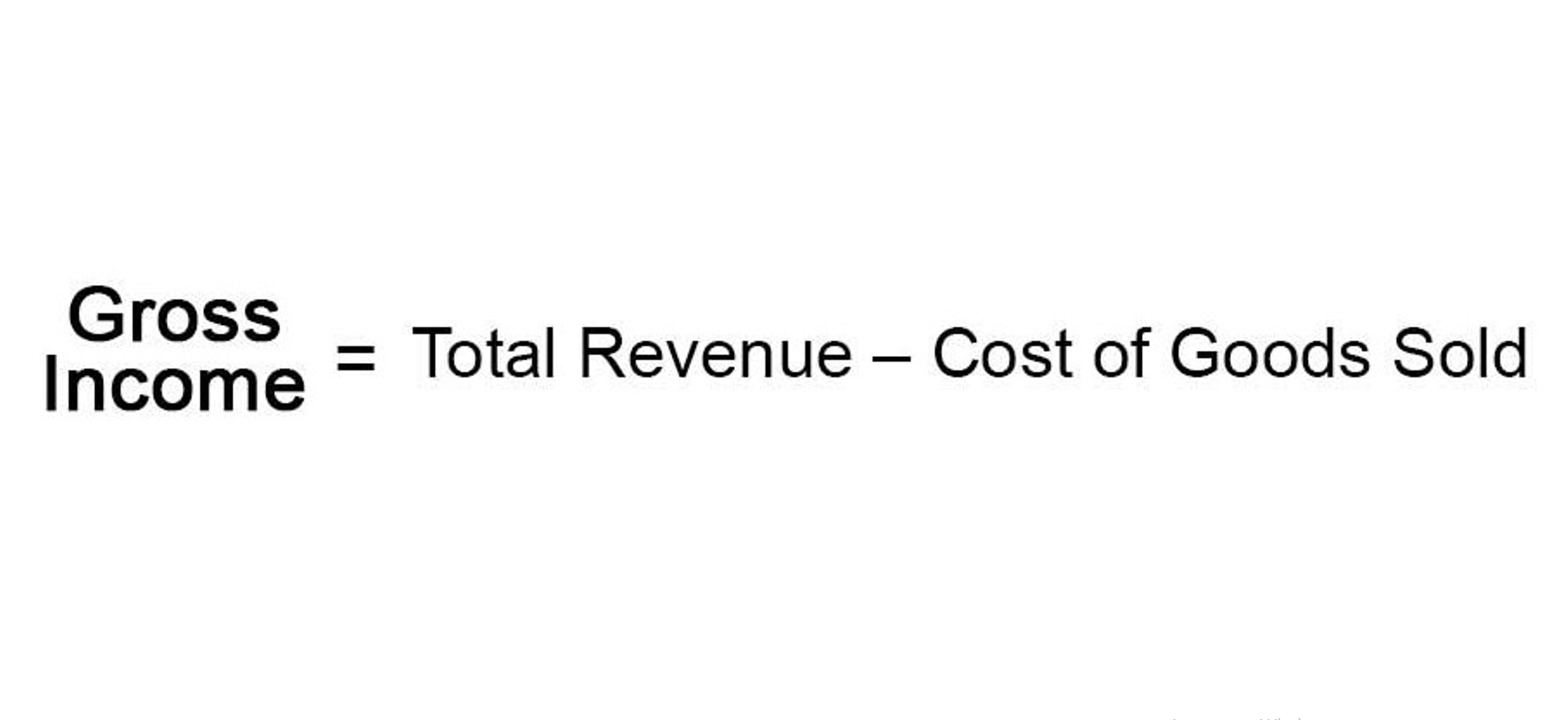
FIFO, the First In, First Out inventory management method, generally results in the lowest estimated cost of goods sold and the highest net income. However, different inventory methods might be used by different industries, especially industries where the inventory purchase prices fluctuate often. One thing to note is that it’s not ideal for businesses with high retail functionality needs.

Join over 7 million customers globally and find the QuickBooks plan that works for you2
- If you only sold a single item, inventory accounting would be simple, but it’s likely that you have multiple items in inventory and need to account for each of those items separately.
- The choice of inventory accounting method can directly impact a company’s profitability.
- If this isn’t accurately captured in the company’s financial statements, then the value of the company’s assets and the company itself may be inflated.
- QuickBooks and Xero allow for direct synchronization with inventory management modules, facilitating real-time updates to financial records.
- While there’s value in getting expert help and advice, make sure you have a solid understanding of your numbers, no matter who you have managing your finances.
- Inventory is the total of raw materials, work in process (WIP), finished goods and merchandise purchases that a business holds for sale in the ordinary course of business.
- It’s important to track sales tax correctly in your chart of accounts, so it’s clear how much of your cash in the bank should be set aside for taxes.
Track your inventory on a monthly or quarterly basis to make sure it’s kept up to date. This is especially important if you process returns or store inventory in multiple locations. Staying on top of it gives you a transparent view of how much stock you have, how much stock you need, and any emerging sales trends.
Accounting software
- Consistent inventory analysis and reporting enhance decision-making for procurement, sales, and inventory clearances.
- Companies should also establish an adequate level of safety stock to protect against demand fluctuations.
- This will show equal levels of inventory and prevent companies from indicating overstocking.
- It also provides features for order management, inventory management control, analytics and reporting, and warehouse inventory management.
- Effective inventory analysis and reporting streamline the bookkeeping process by providing insights into inventory health, identifying areas of loss, and shaping financial strategy.
- It also allows you to predict when you will need to restock, order supplies, and adjust your pricing strategy, if necessary.
Get in touch to learn more about our CFO-level NetSuite accounting services. This is where inventory management software, and ERP systems like NetSuite, combined with NetSuite accounting services can make a big difference to your bottom line. The average cost is a third accounting method that calculates inventory cost as the total cost of inventory divided by total units purchased. Most businesses in the U.S. use either FIFO or LIFO, while some sole proprietors may opt to use average cost.

Choosing the right method is crucial for accurate financial reporting and decision-making. Proper inventory accounting allows management to make informed decisions regarding stock levels, purchasing, pricing, and production. Having accurate and up-to-date information on inventory quantities and values helps companies optimize their inventory management and costs. In manufacturing, bookkeeping for inventory involves tracking raw materials, work-in-progress, and finished goods. For example, a manufacturer using Just-In-Time (JIT) inventory methods must meticulously monitor inventory to ensure materials are available exactly when needed, thereby minimizing carrying costs. Businesses should look for systems that offer real-time tracking, detailed reporting features, and compatibility with their current operations.
What is the relationship between inventory bookkeeping and financial statements?
Not only does inventory management software make things easier, but it reduces errors, syncs with your other systems, and securely stores your data. Building strong relationships with suppliers is essential for efficient inventory management. Collaborating with suppliers can lead to better pricing, timely deliveries, and improved inventory availability. Clear communication, data sharing, and mutually beneficial agreements can help businesses maintain optimal inventory levels and minimize supply chain disruptions. Methods like LIFO can result in lower taxable income due to higher COGS figures, potentially reducing the tax burden. However, tax regulations and reporting requirements vary by jurisdiction, and businesses should consult with tax professionals to ensure compliance.
Setting Reorder Points and Safety Stock

The goal of bookkeeping is to show you the financial picture of your business, balance your accounts, and improve cash flow management in a strategic way. It helps you understand where your money is going so you can make informed decisions. There are key features to look for in the best inventory management software for your business and inventory management applications that can inventory bookkeeping make or break your system. Inventory management is the process a business uses to track goods and materials as they travel to and from the company’s warehouses and retail locations. Cin7’s unique spin is that it’s an inventory management software and a point-of-sale system. This allows businesses to further streamline stock management across sales channels to prevent stock-out.
Perishable goods – Grocery and other stores that offer perishable goods face unique challenges when it comes to inventory management. Unlike stores that sell non-perishable items, grocery stores must be proactive about removing so-called “dead” goods once they near their expiration date. Inventory turnover measures how efficiently a company turns over its inventory in terms of COGS. It provides a ratio for understanding the movement of inventory and how often inventory was replaced during a specific period.
Leave a Reply