By the end of this guide you’ll know how the UK’s mobile gaming boom is redefining what entertainment means for a generation that never leaves home. You’ll see concrete figures—like the 1.2 billion pounds spent on mobile titles in 2023—and you’ll understand the specific ways this shift is influencing social habits, local economies, and even mental health.
Step 1: Map the Market Size and Growth
The UK mobile gaming market hit £1.2 billion in 2023, up 17 % from 2022. That growth is driven by two trends: the rise of cloud‑gaming services and the explosion of casual, hyper‑casual titles that drop in under a minute. If you’re looking to invest or start a studio, the numbers show that the market is still expanding at a rate that outpaces traditional console sales.
Step 2: Examine the Demographic Shift
Data from the Office for National Statistics shows that 67 % of UK adults own a smartphone capable of gaming. The age group that spends the most—18 to 34—spends an average of 1.5 hours per day on mobile games, compared with 1.2 hours on PC or console. This shift means that entertainment budgets are moving away from physical media and into app stores. If you’re a marketer, that’s a cue to reallocate ad spend toward mobile-first campaigns.
Step 3: Look at the Economic Impact on Local Communities
In cities like Manchester and Bristol, local indie studios are hiring between 5 and 15 people per project, creating jobs that were previously dominated by traditional media. One studio in Leeds reported a 30 % increase in revenue after launching a cross‑platform mobile title in 2022. These numbers translate into higher local tax contributions and a ripple effect on hospitality sectors, as gamers often dine out before or after long play sessions.
Step 4: Understand the Cultural Ripple Effects
Mobile gaming has redefined “social play.” Instead of gathering at a pub or a living room, friends now meet in virtual lobbies to co‑operate on quests or compete in leaderboards. Surveys from the British Academy of Film and Television Arts indicate that 42 % of UK gamers consider mobile titles their primary source of social interaction. This change is influencing everything from how people build friendships to how they unwind after work.
Step 5: Identify the Limitation—Battery Life and Data Costs
Even the most advanced phones can only sustain 3–4 hours of continuous play before the battery drains to 20 %. For users on a data cap, streaming high‑definition game assets can cost up to £10 per GB. This means that while mobile gaming offers convenience, it can also create hidden costs that affect lower‑income households the most.
Common Mistake: Ignoring Platform-Specific Optimization
Many developers release a single version of a game across iOS and Android, assuming a one‑size‑fits‑all approach. In reality, iOS users expect higher frame rates and smoother graphics, while Android users prioritize battery efficiency. Neglecting these differences can lead to a 15 % drop in user retention within the first month.
Bridge to Online Gaming and Entertainment
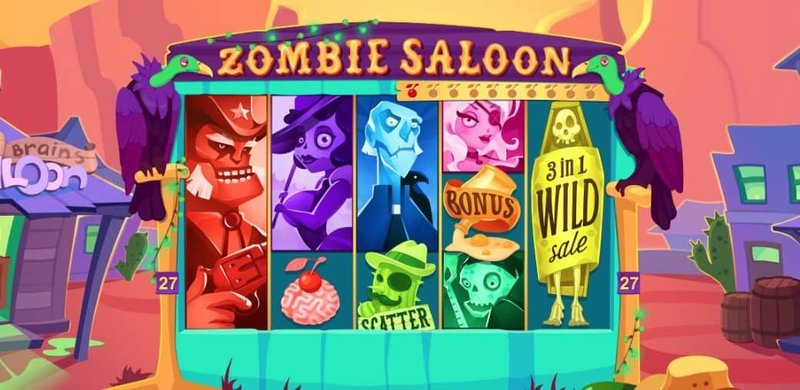
For those curious about how mobile gaming ties into the broader online gaming scene, check out the Zombillion bonus offer for a taste of how mobile titles can lead into more immersive casino experiences.
Conclusion: A New Entertainment Paradigm
Mobile gaming is not just a side hobby; it’s a structural change in how the UK consumes entertainment. The numbers—market size, demographic penetration, and local economic impact—are undeniable. Yet the shift comes with challenges: battery drain, data costs, and the need for platform‑specific design. By acknowledging both the opportunities and the pitfalls, stakeholders can make informed decisions that shape the future of UK entertainment.
Leave a Reply